Downtown Vs North End Nashua: Choosing Your Fit
June 4, 2026
June 4, 2026
Choosing between Downtown Nashua and the North End often comes down to one simple question: how do you want to live day to day? If you are weighing walkability, commute patterns, housing style, or budget, it helps to look beyond a map. This guide breaks down the real differences between these two Nashua areas so you can better match your move with your lifestyle, priorities, and price range. Let’s dive in.
Downtown Nashua is the city’s historic and cultural core. The city describes it as a live-work-play district with riverfront condominiums, restored industrial buildings, refreshed sidewalks, restaurants, performances, a farmers market, and recurring events throughout the year.
This area blends historic mill architecture with newer energy. You will find public art, local businesses, breweries, dining, and seasonal programming that make downtown feel active in every season.
If you want a neighborhood where activity is part of the appeal, downtown stands out. It is the part of Nashua that feels most connected to dining, events, and a more urban pace.
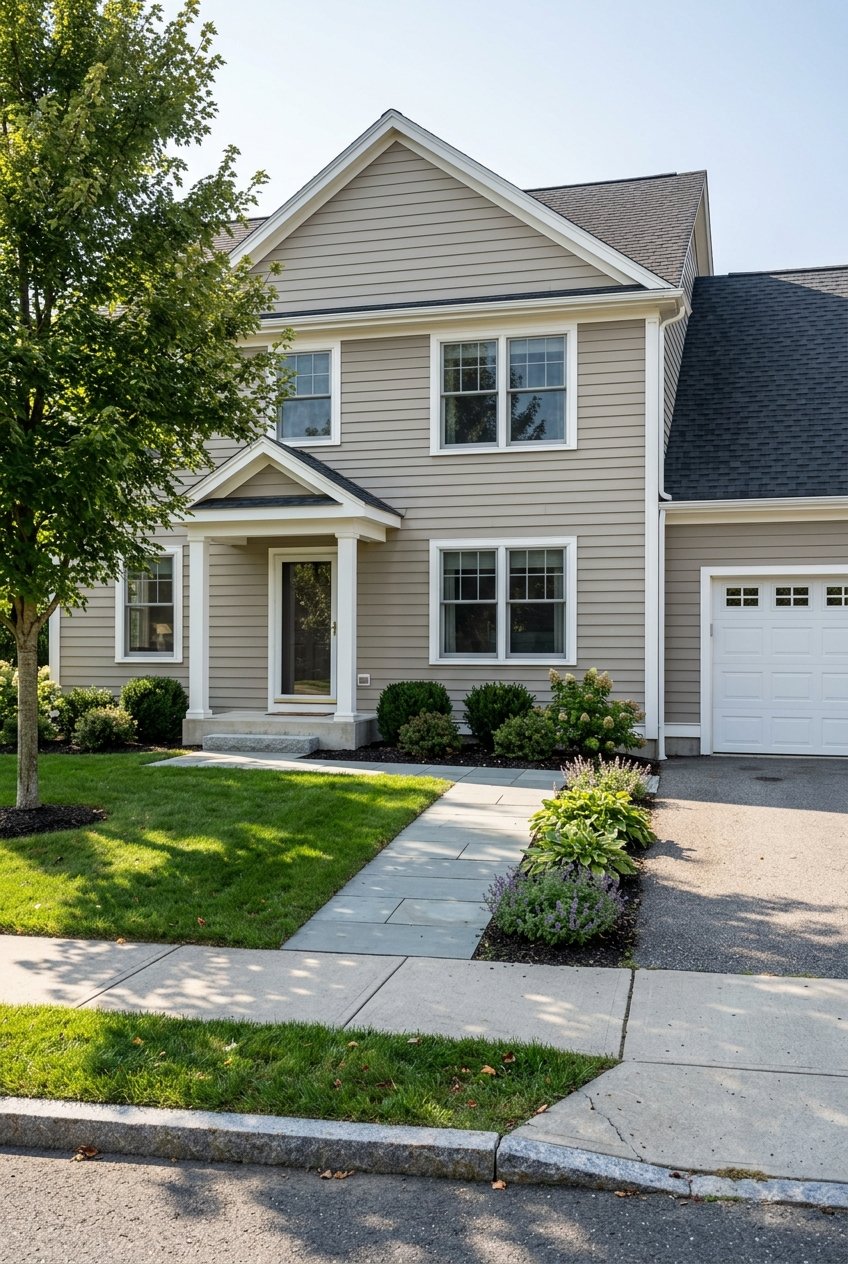
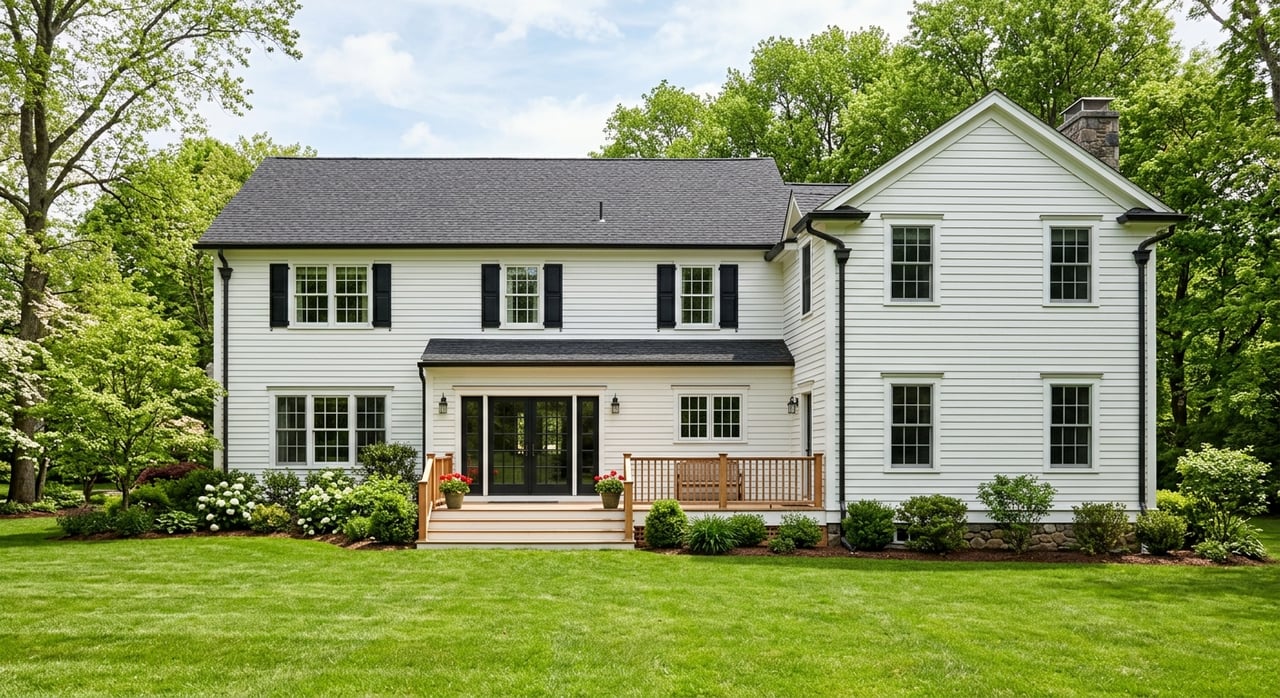
The North End has a different feel. City planning documents describe it as an established neighborhood within Nashua’s older urban-core housing pattern, and it is grouped with some of the city’s older residential areas.
That means the North End is generally more about residential streets and an established neighborhood setting than mixed-use living. The area includes older homes and buildings, with a housing stock that reflects Nashua’s long history.
For many buyers and renters, that established character is the draw. If you want a more residential home base while staying close to the city, the North End may feel like a better fit.
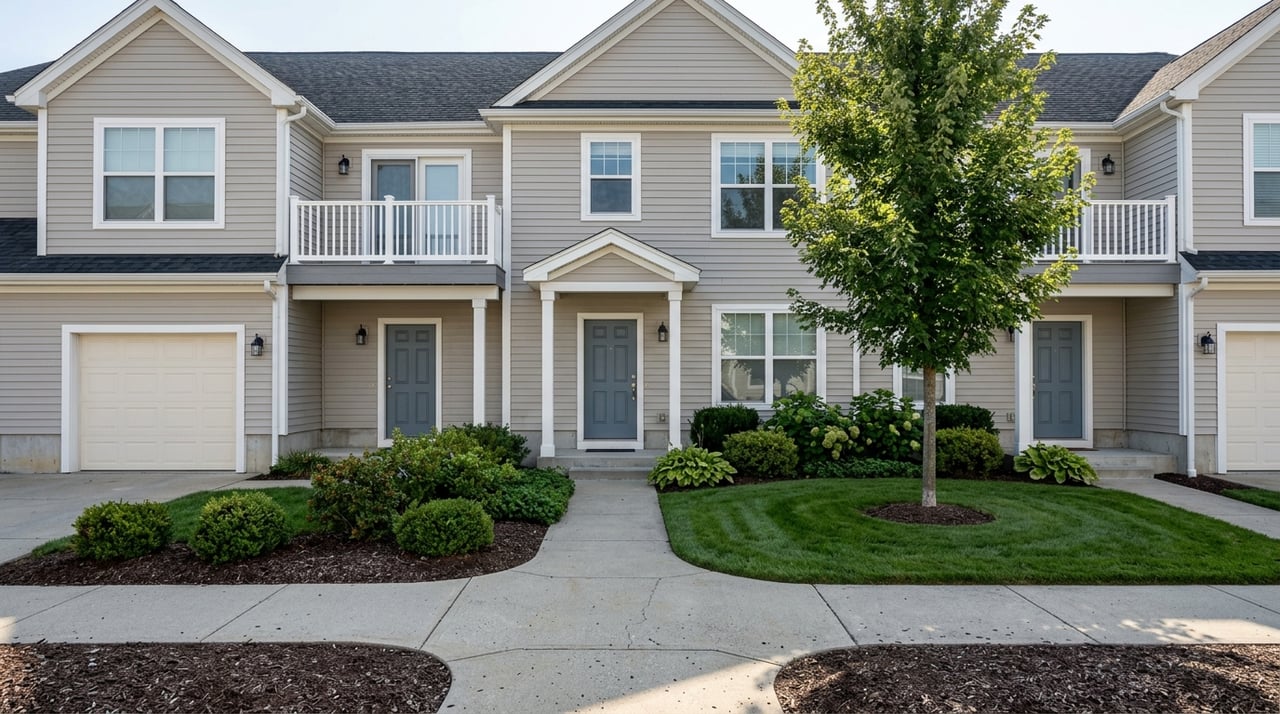
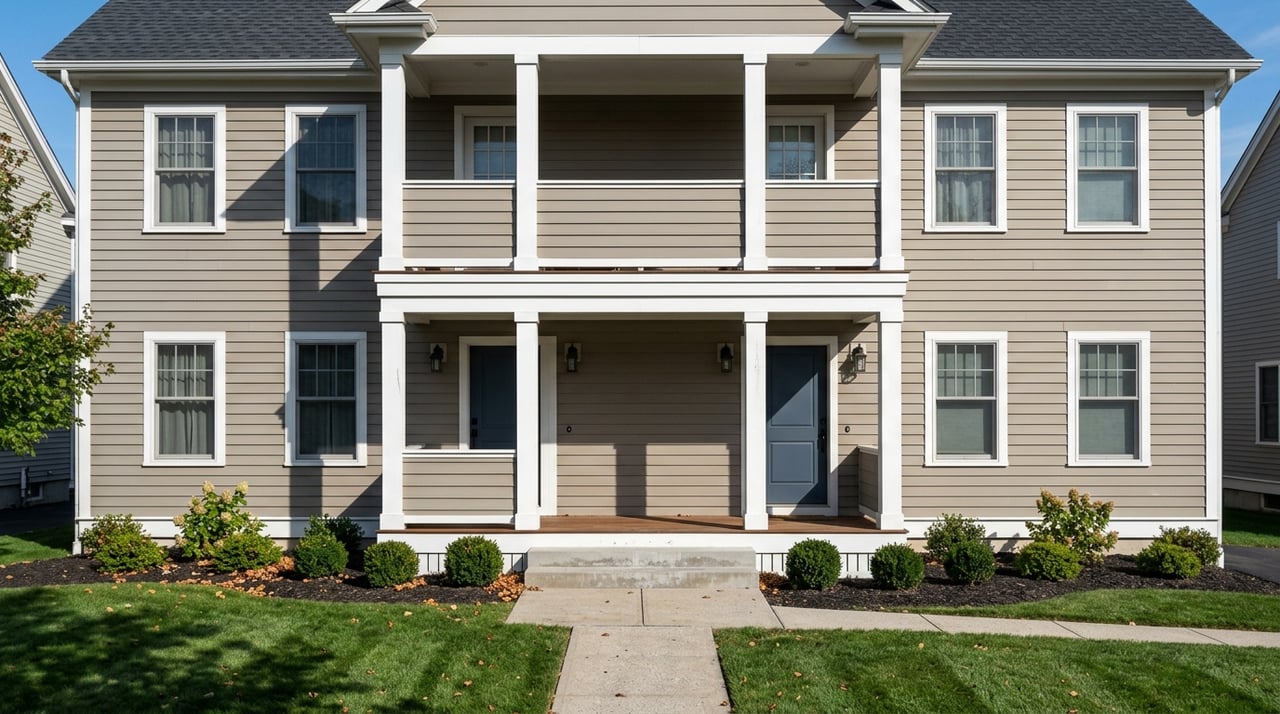
Downtown Nashua is the better match if you are drawn to condos, riverfront living, and buildings with a historic industrial look. The area includes restored mill buildings and housing woven into a busier commercial and cultural district.
You may enjoy downtown more if you like stepping outside and being close to restaurants, events, sidewalks, and public spaces. The setting feels more active and more centered on convenience and access.
The North End is better understood as a traditional residential area. It is part of Nashua’s older neighborhood fabric, with a quieter tone than downtown and housing that reflects the city’s established development pattern.
That does not mean you are far from amenities. It means your day-to-day setting is more likely to feel residential first, with parks and other parts of the city reachable by a short drive.
For many people, budget will be a major deciding factor. Based on April 2026 Realtor.com neighborhood data, the North End sits at a higher price tier for both buyers and renters.
Downtown Nashua reported 12 homes for sale, 16 rentals, and a median rent of $1,975 per month. North End reported 34 homes for sale, 26 rentals, a median listing price of $656,450, a median sold price of $500,000, and a median rent of $2,500 per month.
That gap suggests a few practical things:
North End also showed a median of 41 days on market, which points to an active submarket without the fastest possible pace.
If walkability is high on your list, downtown is the clear leader. The city highlights refreshed sidewalks and ongoing efforts to strengthen pedestrian and bicycle connections in the area.
Downtown is also home to the NTS Transit Center at 30 Elm Street, where all city bus routes start and end. That makes downtown the strongest option if you want to build more of your routine around transit access.
Parking is more structured downtown as well. The city has a formal parking system that includes garages, lots, street parking, time limits, and posted hourly rates.
The North End is still served by the city bus network, including a Saturday North End route. Even so, downtown functions as the hub for broader transit connections, including service that can connect riders to Boston Express through the Nashua Exit 8 Park & Ride.
In practical terms, the North End is more likely to suit you if you expect to drive for many daily errands or activities. It has more of a residential layout, while downtown supports a more transit-first lifestyle.
Whether you choose downtown or the North End, Nashua’s road access is a plus. The F.E. Everett Turnpike/U.S. Route 3 runs through the city and connects south toward metro Boston and north toward Manchester.
The city notes that Nashua has eight major exits. So while the two neighborhoods feel different locally, both benefit from strong regional access for drivers.
Downtown Nashua has the densest mix of everyday amenities and community activity. The city highlights restaurants, the riverfront, performances, the farmers market, and recurring seasonal events such as the Winter Holiday Stroll and Taste of Downtown Nashua.
If you enjoy being near local businesses, public art, and regular programming, downtown offers that concentration in one place. Your weekends may feel fuller without needing much planning or driving.
The North End is a better fit if you want a more established residential setting and still want city amenities nearby. It offers a different rhythm, one that is less centered on foot traffic and events and more centered on home, neighborhood streets, and easy access to the rest of Nashua.
Nearby recreation adds to that appeal. Greeley Park on Concord Street offers trails, playgrounds, picnic areas, tennis, baseball and softball, and a wading pool.
If you are deciding between the two, it helps to match each area to your daily priorities instead of searching for a universal winner. One is not better than the other in every way. They simply serve different lifestyles.
If you are serious about moving in Nashua, try comparing these two areas in person with a simple checklist. Focus on what will matter after the excitement of the move is over.
Ask yourself:
Those answers usually make the right fit much clearer. A neighborhood should support your routine, not fight against it.
Pat Clancey Realty helps buyers, sellers, renters, and relocating clients make sense of Nashua’s neighborhood differences with practical, local guidance. If you want help comparing Downtown Nashua and the North End based on your goals and budget, connect with Pat Clancey Realty.
Stay up to date on the latest real estate trends.
We pride ourselves in providing personalized solutions that bring our clients closer to their dream properties and enhance their long-term wealth.