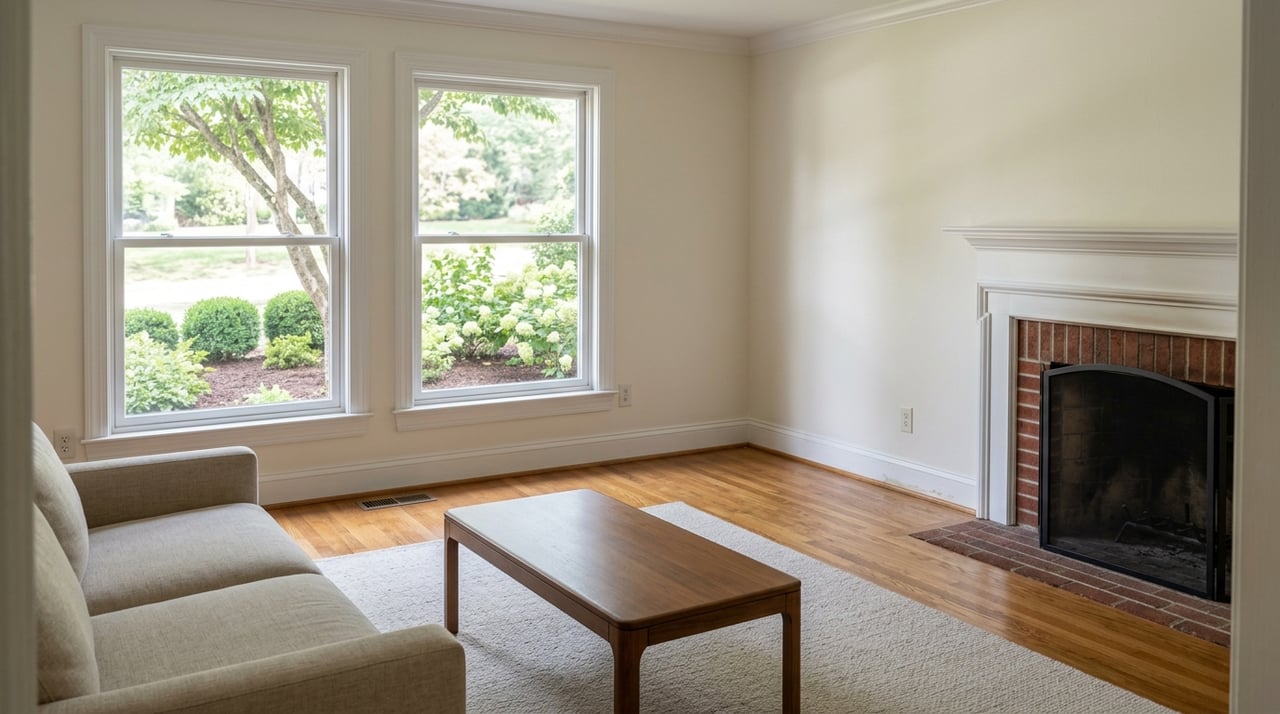
Selling a Long-Owned Home in Amherst, NH With Confidence
July 23, 2026
July 23, 2026
If you have owned your Amherst home for decades, selling it can feel like much more than a routine move. You may be sorting through years of memories, weighing repairs, and trying to understand what today’s market means for a property that has changed with you over time. The good news is that with the right local plan, you can make thoughtful decisions about pricing, preparation, and next steps. Let’s dive in.
If you are selling a long-owned home in Amherst, it helps to start with the current market. Recent data points to a seller-leaning market, but not one where every home can skip the basics. Realtor.com reported a median listing price of $715,000, 21 median days on market, a 102% sale-to-list ratio, and 69 active listings as of June 2026.
Redfin also described Amherst as very competitive, with a median sold price of $505,000 and a median 44 days on market for the three months ending in May 2026. The numbers differ because the sources track different timeframes and datasets, but the overall message is consistent. Pricing, presentation, and condition still matter, especially for older homes.
A home you have owned for many years is rarely a simple sale. Over time, you may have added a roof, updated systems, expanded the driveway, or made other improvements that affect value and your financial picture. You may also be dealing with deferred maintenance, outdated finishes, or a home that simply shows its age differently than newer listings.
Long-owned homes also tend to come with more paperwork, more decisions, and more emotion. If you are downsizing, relocating, or settling an estate, the process often includes sorting belongings, coordinating clean-outs, and figuring out which projects are worth doing before you list.
One of the biggest mistakes sellers make is assuming the town assessment reflects what a buyer will pay. In Amherst, that is especially important right now because the town is in a 2026 full statistical revaluation. The town says the goal is to adjust assessments to fair market value as of April 1, 2026, and property owners may receive verification mailers or requests for inspections.
At the same time, New Hampshire Department of Revenue Administration guidance notes that assessed values can differ from actual market value for several reasons, including fractional assessment ratios and partial exemptions. In plain terms, your tax assessment is not a pricing strategy. A current market opinion should reflect your home’s condition, features, location, and how it compares with active and recently sold homes in Amherst.
When a home has been owned for a long time, it is easy to price based on memories, money spent over the years, or what a nearby property sold for without looking at condition differences. Today’s buyers usually compare homes quickly, and they notice presentation and maintenance right away. If your home is priced as though it is fully updated but shows deferred upkeep, that can slow activity.
In a competitive Amherst market, the goal is to price in line with what buyers see when they walk through the door. That does not always mean choosing the lowest number. It means matching price to condition, location, lot, updates, and buyer expectations in the current market window.
If you are deciding what to fix before selling, visible updates tend to carry the most weight. The 2025 NAR Remodeling Impact Report says the projects most often recommended before listing are painting the entire home, painting a single room, and installing a new roof. The same report also notes strong buyer demand for kitchen upgrades and bathroom renovations.
For most long-owned Amherst homes, the practical takeaway is simple. Prioritize buyer-facing improvements over big discretionary remodels. A clean, well-maintained home with fresh paint and strong first impressions often does more for marketability than a major project that adds cost and delay.
Consider focusing on:
Not every home needs all of these steps. The right list depends on your timeline, budget, and how your property compares with competing Amherst listings.
Before you start pre-sale work, make sure you understand Amherst’s local requirements. The town says permits are generally required for remodels, additions, decks, porches, roofs, septic work, demolition, and other building improvements. Amherst also states that no work may begin without an approved permit.
That matters when sellers try to rush through last-minute fixes. If you plan exterior work, roof work, demolition, or removal of an older structure, check with the town first so your timeline does not get derailed.
If your home is in the Amherst Village Historic District, exterior work may require Historic District Commission approval. The town’s regulations are designed to preserve the district, so exterior changes may involve another layer of review.
This is especially important for long-owned properties where an owner may be considering updates to siding, windows, trim, or other visible features before listing. If your home falls in the district, planning ahead can save time and frustration.
Some sellers think removing an older shed, garage, or outbuilding will be a quick pre-listing project. In Amherst, demolition requires hazardous material testing before a permit is issued. That can affect both cost and timing.
If your sale plan includes tearing anything down, do not assume it can happen immediately. Build enough time into your timeline to understand the town’s process and any required testing.
Clean-outs can be one of the hardest parts of selling a long-owned home. Years of furniture, tools, papers, keepsakes, and household items can turn a simple moving task into a major project. It is often easier to break the work into phases rather than trying to clear everything at once.
A phased approach also works better with Amherst’s disposal rules. The Amherst Transfer Station is for residents only and requires a valid sticker. The town says it accepts homeowner-generated trash, construction debris, yard debris, and recycling, but not hazardous waste.
Amherst participates in the Nashua Regional Household Hazardous Waste Collection Program. The town’s 2025 schedule lists items such as:
The collection cost is listed at $20 per vehicle. For a long-owned home, this is a good reminder to sort garage, basement, and shed contents carefully before loading up for disposal.
If you have owned your home for many years, your records may matter more than you think. IRS Publication 530 says improvements that add value, prolong useful life, or adapt a home to new uses can increase your basis. Examples include additions, roof replacement, driveway paving, central air, and rewiring.
Ordinary repairs usually do not count the same way. That is why it helps to gather receipts, invoices, and other records for larger capital improvements if you still have them. Those details can matter when you estimate your gain from the sale.
For some long-time owners, the gap between the original purchase price and today’s market value can be significant. If the home is your principal residence, the IRS says you may qualify to exclude up to $250,000 of gain, or up to $500,000 on a joint return, if you meet the ownership and use tests.
If the property was inherited, the basis is generally the fair market value on the date of death, or in some cases an alternate valuation date. That can change the financial picture in a big way compared with using the original owner’s purchase price. When the ownership history is complex, getting tax guidance early can help you avoid surprises.
When sellers estimate proceeds, they often focus on sale price and mortgage payoff. In New Hampshire, you should also account for the real estate transfer tax. The New Hampshire Department of Revenue Administration says the tax is imposed at $0.75 per $100 of price or consideration and applies to both buyer and seller unless a statutory exemption applies.
For a long-owned Amherst home with substantial equity, that cost should be part of your planning from the start. It belongs in the same conversation as repairs, brokerage costs, moving expenses, and any clean-out or disposal work.
Selling a long-owned home is often part real estate project and part life transition. You may be coordinating family decisions, reviewing decades of paperwork, handling estate details, or deciding how much work to do before listing. In those situations, steady local guidance can make the process feel much more manageable.
A good plan usually starts with a realistic home value, a simple pre-listing checklist, and a timeline that fits your goals. If tax basis, trusts, heirs, or estate administration are involved, it also makes sense to bring in financial or legal professionals early so the sale stays organized from the beginning.
If you are getting ready to sell a long-owned home in Amherst, working with a local brokerage that understands complex and emotional sales can make a real difference. Pat Clancey Realty offers practical, hands-on guidance to help you price thoughtfully, prepare your home, and move forward with confidence.
Stay up to date on the latest real estate trends.
We pride ourselves in providing personalized solutions that bring our clients closer to their dream properties and enhance their long-term wealth.