The $290,000 Gap on One Merrimack Street, and What's Driving It This Fall
September 17, 2026
September 17, 2026
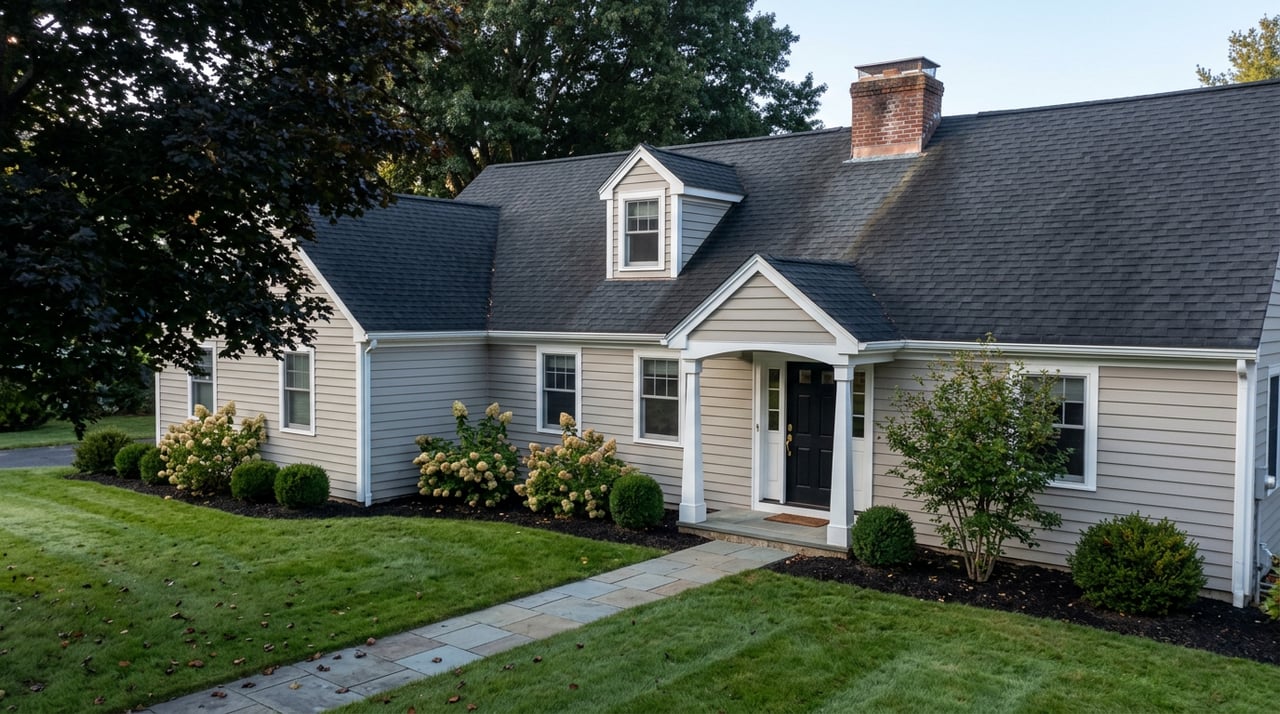
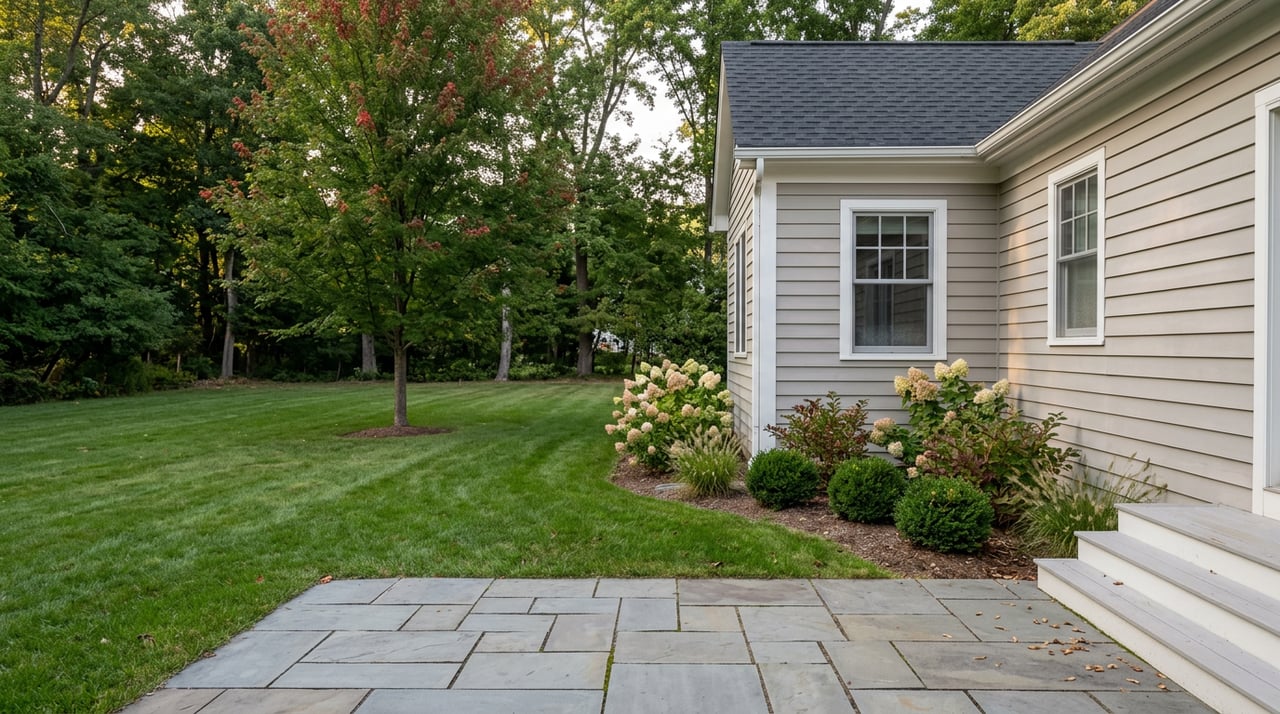
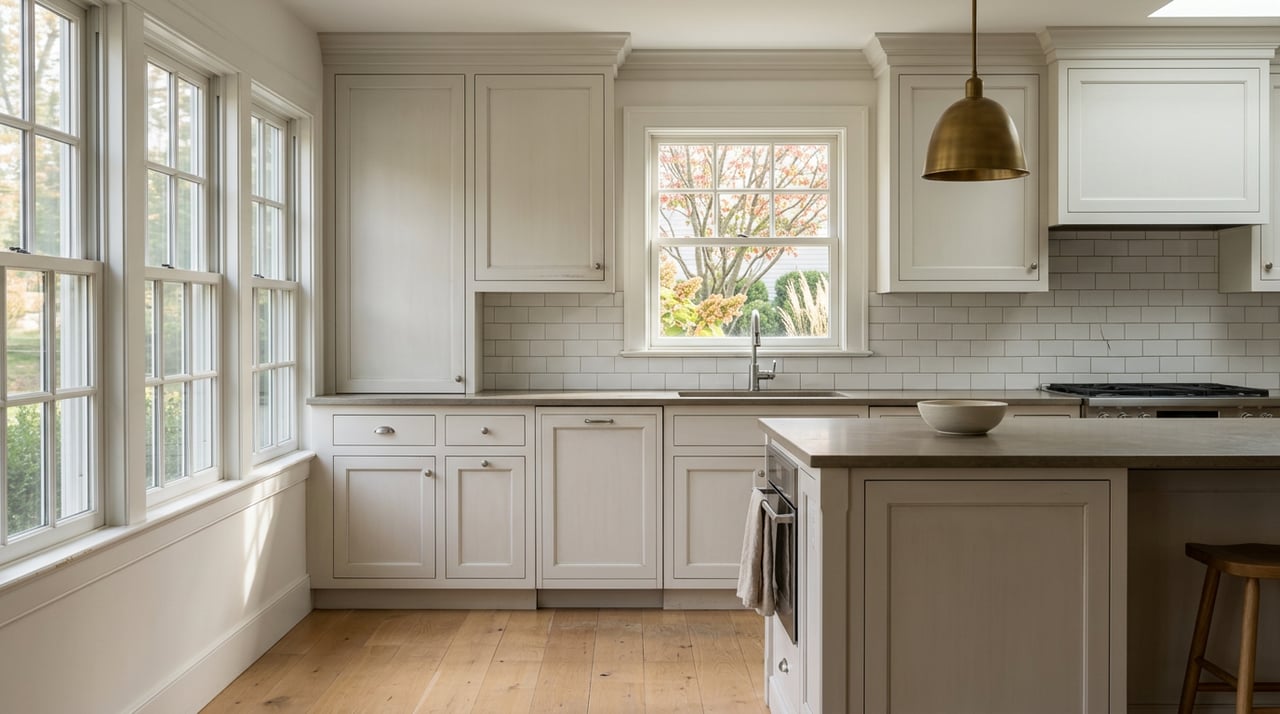
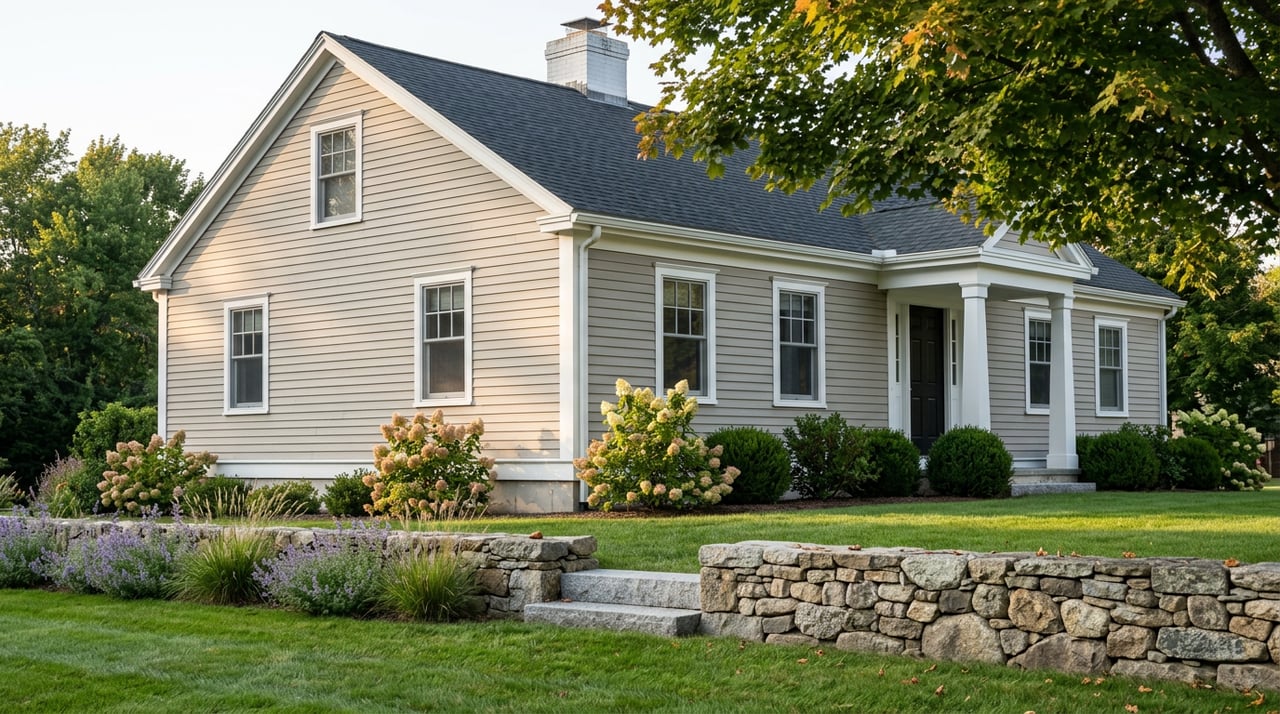
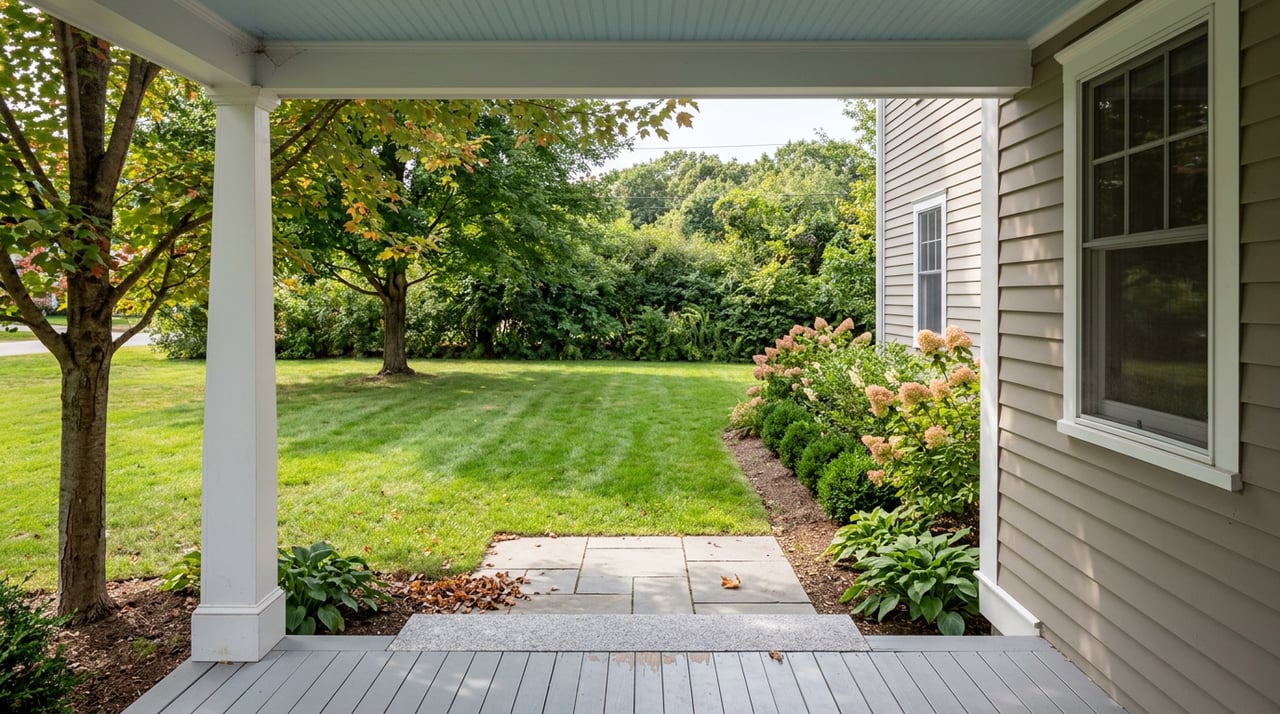
Public property records put the median sale price for homes on Turkey Hill Road in Merrimack at $280,000, more than a third below the town's broader average. That number is real, but drive the road and you'll see what's dragging it down: a two-bedroom cape, in the same family for 62 years, listed "as is" and still on the market after more than 400 days as of earlier this year. A short distance away on the same street, a renovated cape sold for $570,000 this past May. Another, listed at $545,000 this June, drew enough interest to set an offer deadline within days of hitting the market.
Same road. Same zip code. Same school assignment. A gap approaching $300,000 between the street's recorded median and what renovated homes on it are actually closing for right now.
If you're comparing Merrimack to Bedford, Amherst, or Nashua right now, this is the detail that matters more than any town-wide median you'll find. Merrimack's home values aren't one market wearing a single price tag. They're two markets sharing a mailing address, and the line between them is about to get sharper.
The obvious explanation for Merrimack's appeal is the one every regional guide repeats: no state income tax, a straight shot up the Everett Turnpike to Manchester, a shorter one to the Massachusetts border. All true. None of it explains why a renovated cape and an unrenovated cape on the identical street behave like they're in different towns.
What does explain it is condition and proximity to one specific employer: Fidelity Investments, which has run its New Hampshire campus in Merrimack since 1996. The 544-acre site, built on land purchased from Digital Equipment Corporation, holds two LEED-certified buildings totaling 1.2 million square feet and one of the state's largest solar arrays. It is not a satellite office. As of a 2023 count, it ranked as the third-largest of Fidelity's 11 regional sites nationwide, just behind Durham, North Carolina, and this spring's reporting put New Hampshire's Fidelity headcount above the number of employees at the company's Boston headquarters.
For years, that campus ran on a hybrid schedule, employees on-site roughly two weeks out of every four. That changed this year. Fidelity announced that New Hampshire is one of four company sites, alongside Boston, Kentucky, and New Mexico, moving to a full-time, five-day-a-week, on-site schedule starting in September, a shift reported by NH Business Review and covered by the Boston Globe as part of a broader round of internal changes at the company. September is now. The employees who spent the last few years splitting time between a home office and a badge swipe are, this month, becoming daily commuters again.
Merrimack Town Manager Steve Micali called the return "a boon for the local economy," pointing to the business those workers will bring back to the mall, restaurants, and gas stations along the corridor. He's talking about foot traffic. But the same daily commute math that makes a nearby coffee shop more valuable also makes a nearby house more valuable, and that's the part the town-wide median doesn't show yet.
Fidelity isn't the only employer anchoring this town, which is part of why Merrimack behaves less like a generic bedroom community and more like a company town with several companies in it. BAE Systems has had a facility in Merrimack since 1988. Anheuser-Busch operates its Merrimack brewery on a 294-acre site along the river, a facility that runs more than 70,000 tours a year and serves all of New England. The Merrimack Premium Outlets, the town's second-largest employer, sits directly across the road from Fidelity's campus.
That cluster is also why the Daniel Webster Highway corridor near Everett Turnpike Exit 11, home to both the outlets and the Turkey Hill Road homes described above, has been actively redeveloping. The long-vacant Merrimack Hotel and Conference Center near Exit 11 became the Residences at Executive Park, five apartment buildings that Business NH Magazine reported had reached about 90 percent leased not long after opening. A former Shaw's supermarket site on Daniel Webster Highway became Merrimack 360, a retail center the same reporting described as fully leased with restaurants and other tenants. Able Ebenezer Brewing Co. built out a tap room in an industrial park nearby and has grown into the largest self-distributing brewery in the state.
None of that development happened because Merrimack is a cheap alternative to Nashua. It happened because a corridor with thousands of daily employees creates its own demand, for apartments, for retail, and for the houses within a reasonable drive of that badge swipe.
If you've been comparing Merrimack listings across a few different sites, you've probably noticed the median price doesn't hold still. One automated valuation tool put the town average at $537,715 as of July 2026, up 3 percent year over year. A different estimate placed the median closer to $542,190. A spring 2026 market update from a local brokerage cited a median closer to $495,500. A September 2025 sales snapshot showed 66 homes selling at a median of $492,200.
None of those numbers are wrong. They're measuring the same town at different moments with different methods, and none of them separate the two markets sitting inside it. Turkey Hill Road makes the split visible on one street, but the underlying pattern runs through much of the town: older, unrenovated stock built decades ago competes on price and patience, while renovated homes within easy reach of the Exit 11 corridor compete on speed, often with offer deadlines attached.
That distinction is about to matter more, not less. A commuter who was making the drive four days a month is a very different buyer than one making it five days a week. The second buyer cares about the exit ramp, the traffic pattern on Daniel Webster Highway at 8 a.m., and whether the driveway clears easily after a plow. Those preferences don't show up in a town median. They show up in which specific listings get offer deadlines and which sit for over a year.
If you're weighing Merrimack against Bedford or Amherst this fall, the town median is a starting point, not an answer. Before you tour, it's worth checking a few things that the aggregate number won't tell you:
Does this affect towns near Merrimack, like Bedford or Nashua, the same way? Not identically. Merrimack's housing pattern is tied specifically to the Daniel Webster Highway corridor and the employers concentrated there. Bedford and Nashua have their own commuter patterns and employer bases, so the same return-to-office shift matters less for their price behavior than it does for the streets closest to Exit 11.
Is this a temporary bump or a lasting shift? Fidelity's announcement covers a policy change with no stated end date, and the company has said it plans to continue hiring and expanding capacity at its regional sites. That suggests the corridor's commute-driven demand is more structural than seasonal, though any single-employer story carries some risk if that policy changes again.
How do I find out if a specific listing is actually in the commute-premium zone? Drive time at a real commute hour tells you more than a map distance. If you're comparing a few Merrimack addresses, we can walk through the actual routes and recent comparable sales on each one before you commit to a showing.
Merrimack's median price will keep moving as more of this year's return-to-office commuters settle into their routines. If you want a read on a specific address, or a comparison across Merrimack, Bedford, and Amherst that accounts for commute distance and renovation status rather than just the town average, Pat Clancey Realty can walk you through it street by street. Work With Us — Get a Local Market Consultation.
Stay up to date on the latest real estate trends.
We pride ourselves in providing personalized solutions that bring our clients closer to their dream properties and enhance their long-term wealth.