Amherst NH Village vs Suburbs: Which Lifestyle Fits?
May 21, 2026
May 21, 2026
Trying to choose between Amherst Village and a subdivision in Amherst, NH? You are not alone. Many buyers love Amherst’s blend of historic charm, commuter convenience, and residential variety, but the right fit often comes down to how you want to live day to day. This guide will help you compare walkability, home style, upkeep, pricing, and lifestyle so you can make a more confident move. Let’s dive in.
Amherst is a suburban-rural town of about 12,000 residents spread across nearly 35 square miles. The town is less than 15 miles from downtown Nashua and Manchester, with Route 101 and 101A connecting to US 3 and I-93. Manchester-Boston Regional Airport is also less than 15 miles away, which adds convenience for many households.
That setting gives you options. In Amherst, you can live near the historic village core with civic spaces and local destinations close by, or you can choose a more typical subdivision setting with newer homes, larger garages, and a more car-based routine. Both can work well, but they feel very different in practice.
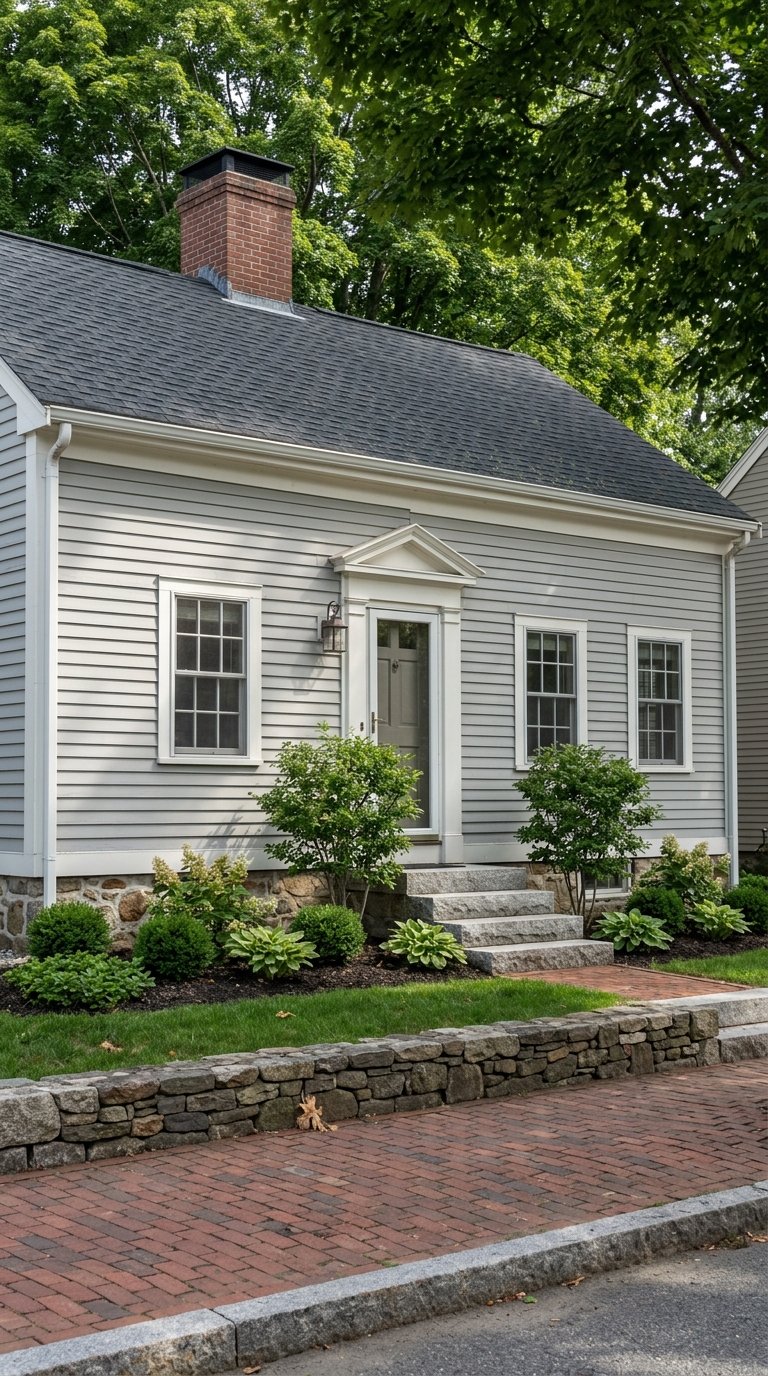
Amherst Village is the town’s historic and civic heart. The Village Green hosts community events such as the Fourth of July celebration, tree lighting, and summer band concerts. Town planning documents also reinforce the village as Amherst’s natural walkable core.
The Amherst Village Historic District is the largest historic district in New Hampshire. It covers more than 1,600 acres and 120 buildings, with over 100 historic properties dating from 1700 to 1924. If you want a home with age, architectural character, and a strong sense of place, this part of town stands out.
Village buyers are often looking for character first. You may value older homes, established streetscapes, and being close to community landmarks like the green, library, parks, and market. That can create a daily rhythm that feels more connected to the town center.
A recent example helps show the appeal. A home at 26 Middle Street, built in 1750 on 0.32 acres with a one-car garage, was described as a short walk to the Village Green, Moulton’s Market, the town library, parks, and elementary schools. It sold for $530,000 in September 2025.
Historic charm usually comes with added responsibility. In Amherst’s historic district, certain exterior changes require a Certificate of Approval from the Historic District Commission. The town’s guidelines emphasize retaining and repairing original windows, doors, and roof features, while keeping mechanical equipment visually unobtrusive.
That means you should go in with clear expectations. If you like updating a home quickly or making major exterior changes, village living may feel more restrictive. If you appreciate preservation and are comfortable planning improvements carefully, the tradeoff may be worth it.
Maintenance is one of the biggest differences between village properties and newer subdivision homes. Older and historic homes can require more ongoing attention, especially when it comes to moisture control and system upgrades. Poorly planned HVAC work, for example, can create moisture issues or affect older finishes and materials.
That does not mean every antique home is difficult to own. It does mean you should budget for maintenance, ask detailed questions during your home search, and understand how preservation guidelines may shape future projects. In Amherst Village, location and character often lead, while modern convenience can come second.
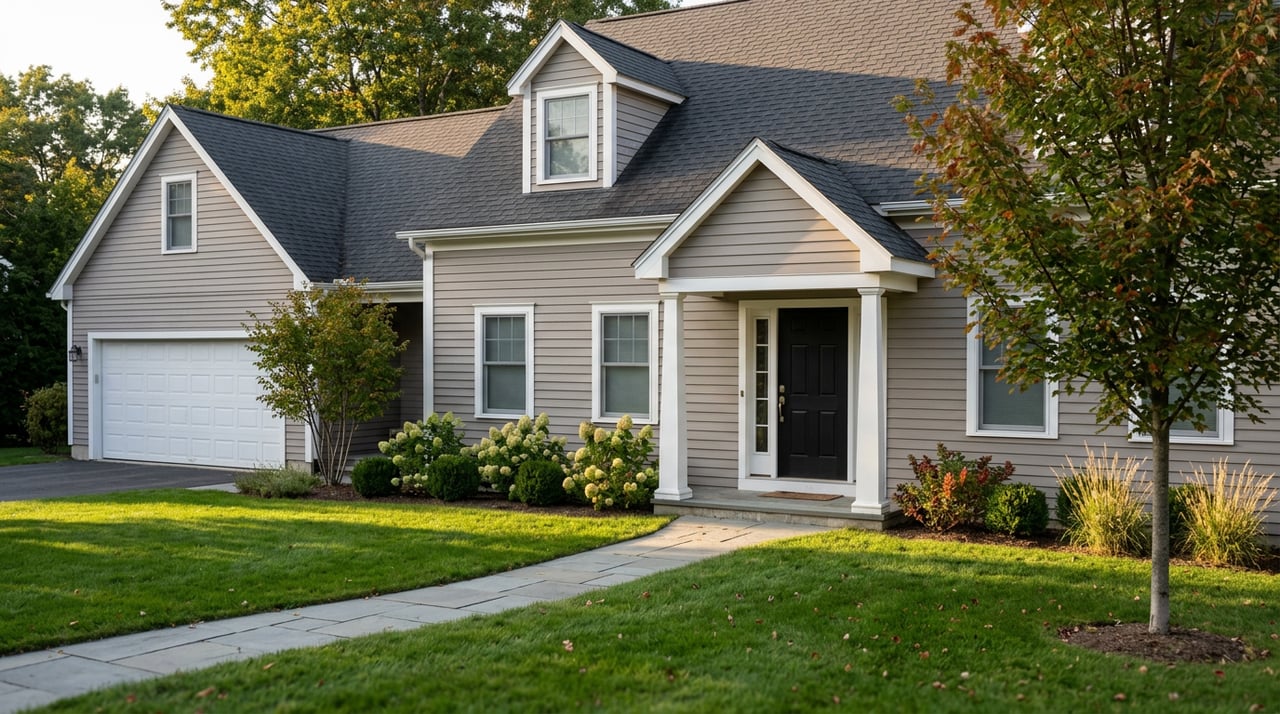
Subdivision homes in Amherst often appeal to buyers who want a more modern setup. You may find newer systems, more predictable floor plans, attached multi-car garages, and larger lots. In many cases, the tradeoff is less walkability and a stronger need to drive for daily errands and activities.
This option can feel simpler from a maintenance and layout standpoint. If your priorities include storage, yard space, central air, or a finished basement, subdivision living may line up more closely with your wish list.
A home at 11 Foxglove Lane in Souhegan Meadows offers a useful example. This 1997 colonial sat on 0.64 acres, had a two-car garage, newer systems and roof, and a yearly HOA fee of $100. It sold for $780,000 in October 2025.
At the newer end of the market, 5 Whiting Farm Drive shows how amenities can expand with price. This 2019 Cape sat on 2.42 acres and included a three-car garage, central AC, a walkout basement, and a subdivision setting. It sold for $1.1 million in April 2026.
Subdivision buyers are often paying for function. You may want a home that supports a busy routine with easier parking, more storage, and fewer preservation concerns. For some households, that practicality outweighs the appeal of being near the village center.
Another example is 1 Patricia Lane, which sold for $723,000 in March 2026. The listing highlighted commuter convenience near Route 122 and Route 101A, newer stainless appliances, a partially finished basement, and a fenced backyard. That profile is common for buyers who want Amherst access without the extra rules and upkeep of the historic district.
One helpful thing about this comparison is that both settings feed into the same Amherst school system. SAU 39 states that Amherst schools serve grades K through 8, and Souhegan Cooperative High School serves grades 9 through 12 for Amherst and Mont Vernon residents. Because of that, the village versus subdivision choice is usually more about lifestyle than school assignment.
Commuting also works from either setting. Amherst’s road network connects residents to Nashua, Manchester, US 3, and I-93 through Route 101 and 101A. In most subdivision examples, though, listings still described the homes as car-dependent, even when schools were only a short drive away.
Amherst does not fit into one simple price box. Recent examples show a broad spread depending on property type, age, location, and condition. An antique village home sold in the low $500,000s, a late-1990s subdivision home sold in the upper $700,000s, and a newer large-lot subdivision home sold above $1 million.
That range helps explain why broad town-wide numbers only tell part of the story. Redfin reported a January 2026 median sale price of $865,000, while Zillow reported an April 2026 typical home value of $663,090. Those are different metrics, but together they show how much neighborhood type and property condition can influence what you will see in Amherst.
If you are torn between Amherst Village and a subdivision, start with your daily habits instead of the home photos. Think about whether you want charm and proximity to the village center, or whether you would rather have a newer layout, larger garage, and more yard. The best choice is usually the one that supports your routine with the fewest compromises.
Here is a simple way to frame it:
In a market like Amherst, small differences can shape your experience in a big way. A home that looks perfect online may come with historic district review, more maintenance, or a less flexible layout than you expected. Another home farther from the village may offer easier day-to-day living, even if it feels less distinctive at first glance.
That is where local guidance can really help. When you compare Amherst Village with subdivision living, you are not just comparing homes. You are comparing two different ways to live in the same town.
If you want help weighing Amherst neighborhoods, recent pricing, and the tradeoffs that matter most to your move, connect with Pat Clancey Realty. You will get practical, local guidance tailored to your goals.
Stay up to date on the latest real estate trends.
We pride ourselves in providing personalized solutions that bring our clients closer to their dream properties and enhance their long-term wealth.