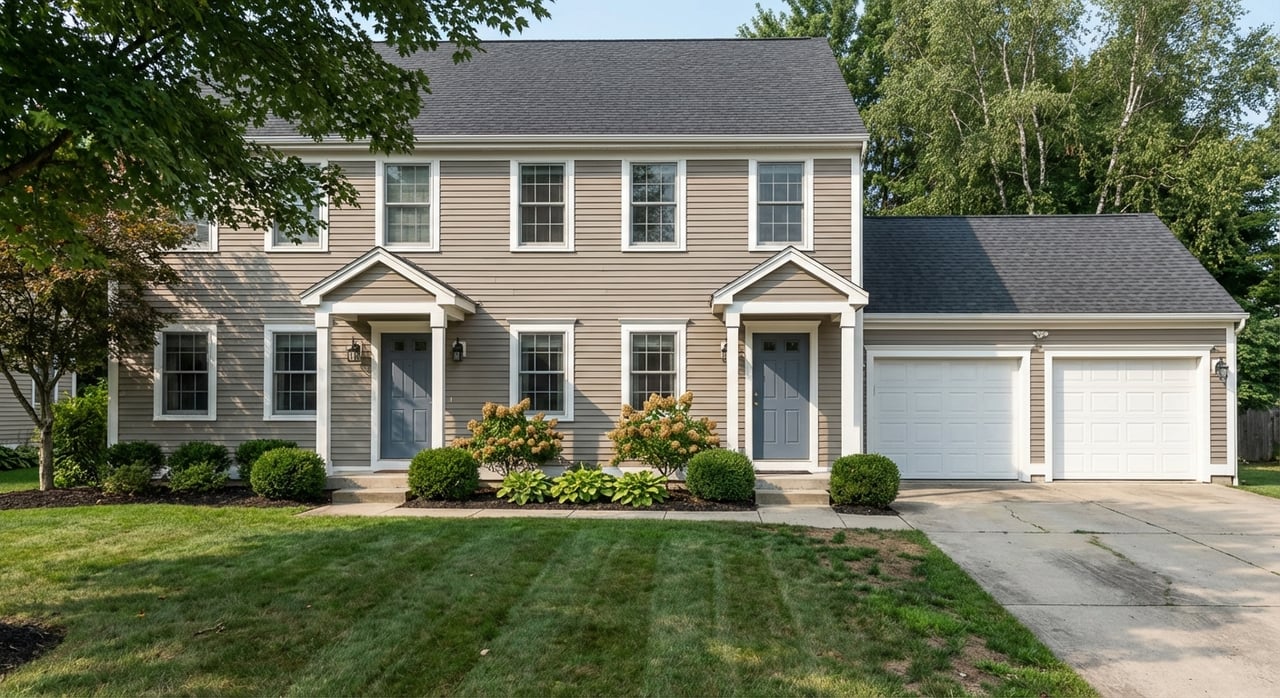
Hudson NH Multifamily Market Outlook for Investors
February 19, 2026
February 19, 2026
Thinking about a Hudson duplex or small multi but not sure where rents, prices, and cap rates sit right now? You are not alone. With thin inventory and mixed data sources, it can be hard to separate signal from noise. This snapshot gives you the essentials investors ask for: current rent bands, recent duplex comps, vacancy context, simple underwriting rules, and how Hudson compares to nearby Nashua and Londonderry. Let’s dive in.
Hudson sits in Hillsborough County within the Manchester–Nashua region, a suburban commuter market with quick access to Nashua and regional job centers. Local demographics show high owner occupancy and strong household incomes, which helps support steady rental demand for well-kept duplexes and small multis. You can confirm local population, household income, and owner-occupancy context using U.S. Census QuickFacts for Hudson.
During and after the pandemic, New Hampshire saw meaningful net in‑migration, much of it from Massachusetts. The UNH Carsey School has documented the movement of people and income into the state, and that inflow remains a structural driver for rental demand. At the macro level, multifamily fundamentals held up through 2024–2025, with modest rent growth and only limited national vacancy pressure according to Freddie Mac’s 2025 multifamily outlook. Local outcomes hinge on submarket supply, property class, and management.
Different rent trackers capture different samples, so it helps to triangulate.
Pulled together, a practical working range for small‑property underwriting in Hudson is:
Actual rents will vary by building condition, utilities included, parking, and exact location. If you are pricing a specific duplex, lean on same‑style comps within a short radius and verify what is included in the rent.
Small‑sample MLS comps remain the best guide for Hudson duplexes. In the last couple of years, representative 2‑unit sales have landed roughly between $475,000 and the high $700,000s, with occasional larger or renovated two‑unit properties asking above $800,000. Per‑unit math in the local duplex sample often comes out near $235,000 to $365,000 per door. The spread reflects lot size, unit size, updates, and utility splits.
Examples to illustrate the range:
When you analyze a specific address, compare apples to apples: similar build era, bedroom counts, parking, owner‑occupied potential, and whether tenants pay heat and electric.
Regional snapshots pegged the Manchester–Nashua metro’s multifamily vacancy near about 4.7 percent in mid‑2024, which is tight by historic standards. Nationally, forecasters expected vacancy to drift up modestly in 2025 due to heavy completions, but submarkets like suburban Hudson may feel less pressure than new‑supply corridors.
For underwriting, many local investors use a 3 to 6 percent vacancy assumption for stabilized B‑class small multifamily. When in doubt, underwrite conservatively, then confirm with current rent rolls and recent days‑to‑lease for similar units.
Start with a few simple, local rules of thumb.
Assume a Hudson duplex with two 2‑bedroom units that you can position around $2,100 per month each, consistent with the conservative end of local indicators.
If current comps for similar Hudson duplexes are trading well above or below the implied value, re‑check your rent assumption, utilities allocation, expense ratio, and target cap. Small changes in any one input can shift the number by six figures.
Property tax is a meaningful line item. Hudson’s total 2025 tax rate was $17.11 per $1,000 of assessed value according to the town’s tax rate summary. Nearby Nashua’s 2024 rate was reported at $15.90 per $1,000. Always confirm current year rates when you underwrite.
Utilities also swing NOI. Side‑by‑side duplexes with separate heat and electric are easier to forecast and often rent better. If heat is included, build in a weather buffer. Insurance and maintenance have trended higher in many markets, so avoid using outdated expense ratios, and plan for realistic turn costs between tenancies.
Hudson’s renter share is smaller than its owner share, and median household income trends above the state median. Expect a tenant mix that includes commuters to Nashua and Massachusetts job centers, households that value suburban living, and some older renters. This profile can support longer tenures in well‑maintained 2‑bedroom units, especially when parking and in‑unit laundry are available.
For management, plan for seasonal responsibilities, clear lease language on utilities and snow removal, and efficient make‑ready processes. If you are not local, consider a responsive property manager or a reliable maintenance network for repairs and turnovers.
Here is how the three nearby markets often compare from an investor’s lens.
Investor takeaway: Choose Hudson if you want side‑by‑side duplexes in a suburban setting with simpler management and stable demand. Look to Nashua if you want more doors per property and potentially lower cost per unit. Consider Londonderry for similar suburban dynamics and commuter appeal with case‑by‑case pricing.
Use this fast process to evaluate a specific property.
Hudson offers steady, suburban demand for duplexes and small multis, with rent bands that support buy‑and‑hold strategies when you underwrite carefully. Prices per door are higher than some nearby small‑multi submarkets, but that often comes with simpler operations and stable tenancy. If you want help sourcing, underwriting, or positioning a Hudson duplex for sale or owner‑occupancy, our local team is ready to work through the details with you.
Ready for a property‑specific read on rents, taxes, and cap rate targets? Contact Pat Clancey Realty for a local market consultation.
Stay up to date on the latest real estate trends.
We pride ourselves in providing personalized solutions that bring our clients closer to their dream properties and enhance their long-term wealth.