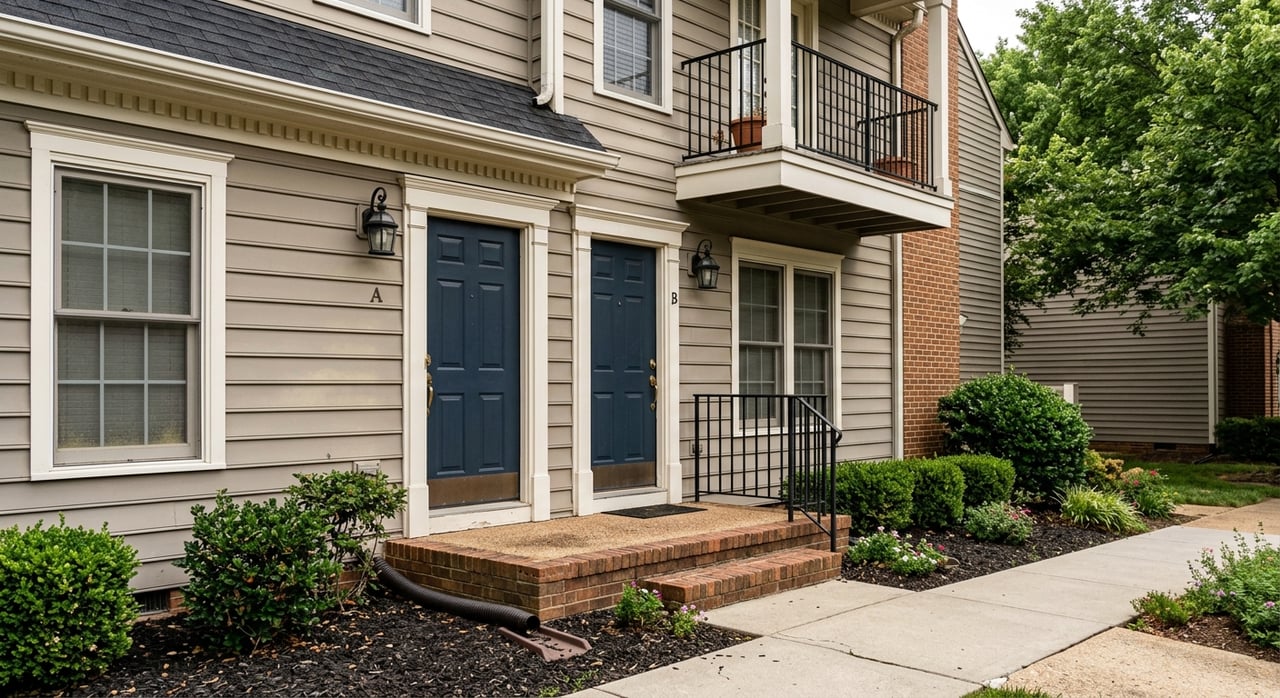
First-Time Buyer Guide To Nashua Condos
May 14, 2026
May 14, 2026
Buying your first condo in Nashua can feel simple at first. You find a price that fits, picture your monthly payment, and start imagining move-in day. But with condos, the real story is not just the list price. You also need to understand fees, reserves, rules, and the health of the association. This guide will help you make sense of what matters most in Nashua so you can shop with more confidence and fewer surprises. Let’s dive in.
If you are starting your search now, it helps to know what the local market looks like. As of early May 2026, there were 26 condos for sale in Nashua, with a median listing price of $438,000 and a typical market time of 24 days.
That tells you two useful things. First, there are options, but inventory is not especially deep. Second, well-priced condos can still move quickly, so it helps to be ready before you find the right one.
For wider context, New Hampshire REALTORS reported a statewide condo median sales price of $400,000 in April 2026, with 2.0 months of supply and 31 days on market. While every Nashua building is different, that statewide snapshot also points to a fairly tight condo market.
A first-time buyer will often focus on the mortgage payment first. That makes sense, but with condos, the monthly fee is just as important.
Under New Hampshire law, common expenses can include both day-to-day association costs and money collected for reserves. In plain terms, part of your condo fee may be going toward future repairs, not just current bills.
That is why a lower monthly fee is not always better. If the reserve fund is weak or a major project is coming up soon, a low fee today could lead to a special assessment later.
Condo fees can support routine operations, but they may also help fund long-term repairs. That could include reserve contributions for future work the association expects to handle over time.
For you as a buyer, the takeaway is simple. Do not judge a condo by the fee alone. Look at the fee together with the reserve balance, recent assessment history, and any known capital projects.
Before you move forward, make sure you understand:
Those answers can tell you a lot about both affordability and risk.
Reserves are funds set aside for future repair and replacement costs. They matter because buildings age, systems wear out, and shared elements eventually need work.
If an association has thin reserves, owners may be more exposed to sudden costs. For a first-time buyer trying to keep a steady monthly budget, that can be one of the biggest condo risks.
The strongest habit you can build is to treat reserve review as part of basic due diligence. A condo that looks affordable on paper may feel very different once you understand the association’s financial position.
Many first-time buyers think of condo rules as minor details. In reality, they can affect how you live in the home from day one.
Under New Hampshire law, owners and occupants must comply with lawful condo instruments. That is why it is important to review the declaration, bylaws, and formal rules for things like pets, parking, leasing, and use of shared spaces.
You should never assume that one building handles these issues the same way another building does. Even within the same community, some rights may vary by unit.
New Hampshire condo law requires the declaration to describe limited common areas and identify which units they are assigned to. The law also treats some items outside unit boundaries, including balconies and patios, as limited common areas by default.
That matters because rights to parking spaces, storage areas, balconies, and patios may depend on the recorded condo documents, not on casual seller comments or assumptions based on another unit in the building.
If any of those features matter to you, confirm them early. It is much better to verify the documents before you get attached to a property.
For a condo resale, New Hampshire law gives you the right to request key association documents and statements before the contract date. The association must furnish the requested statements within 10 days of the written request.
This is one of the most important protections available to condo buyers. It gives you a structured way to look beyond the listing sheet and into the building’s finances, governance, and risk.
You can request statements covering:
If you are buying your first condo, this document set is your reality check. It helps you understand both your likely costs and the rules that will apply after closing.
Most condo problems do not show up in the photos. They show up in the paperwork.
A thin reserve balance is one of the biggest warning signs. So are near-term capital projects, recent or pending special assessments, litigation, and differences between what the seller says and what the documents show.
Any one of these issues may not kill a deal, but each one deserves careful review. Your goal is not to find a perfect condo. Your goal is to understand what you are buying.
Here are some mistakes first-time buyers often make:
If a rule in the condo documents appears to conflict with RSA 356-B, the statute controls. When something looks off, ask questions and get clarification before moving ahead.
If you are looking at a new-construction condo or buying from a developer, the disclosure process is different from a standard resale.
In that case, the buyer must receive a current public offering statement. In general, there is also a 5-day cancellation right after delivery of that statement or the contract date, whichever is later.
Older conversion condos can also come with additional disclosure requirements related to repairs, reserves, and the condition of major systems. That makes document review just as important, even when the property feels newer or more polished.
Your down payment is only part of the cash you need to close. New Hampshire buyers should also budget for transfer taxes, recording charges, and other closing expenses.
Under New Hampshire rules, the real estate transfer tax is assessed on both buyer and seller at $0.75 per $100 of consideration. On a $438,000 condo, the buyer-side transfer tax is about $3,285.
There is also a $25 deed surcharge and a $25 mortgage surcharge, plus recording fees of $10 for the first page and $4 for each additional page. Using the current Nashua condo median listing price, that brings mandatory state and county charges to about $3,335 before per-page recording fees and before lender, title, and attorney charges.
When you are comparing Nashua condos, keep your process simple and consistent. A short checklist can help you stay focused.
This approach can save you from making a decision based on price alone.
Buying your first condo in Nashua is not just about finding a home that looks right online. It is about understanding the building behind the unit and the documents behind the monthly fee.
That is where local, hands-on guidance matters. When you know how Nashua condos are priced, how quickly they are moving, and what the documents can reveal, you can make a more confident decision and avoid expensive surprises.
If you are getting ready to buy your first condo in Nashua, a local team can help you compare options, spot risks early, and keep the process clear from showing to closing. Reach out to Pat Clancey Realty for practical, local guidance tailored to your goals.
Stay up to date on the latest real estate trends.

We pride ourselves in providing personalized solutions that bring our clients closer to their dream properties and enhance their long-term wealth.