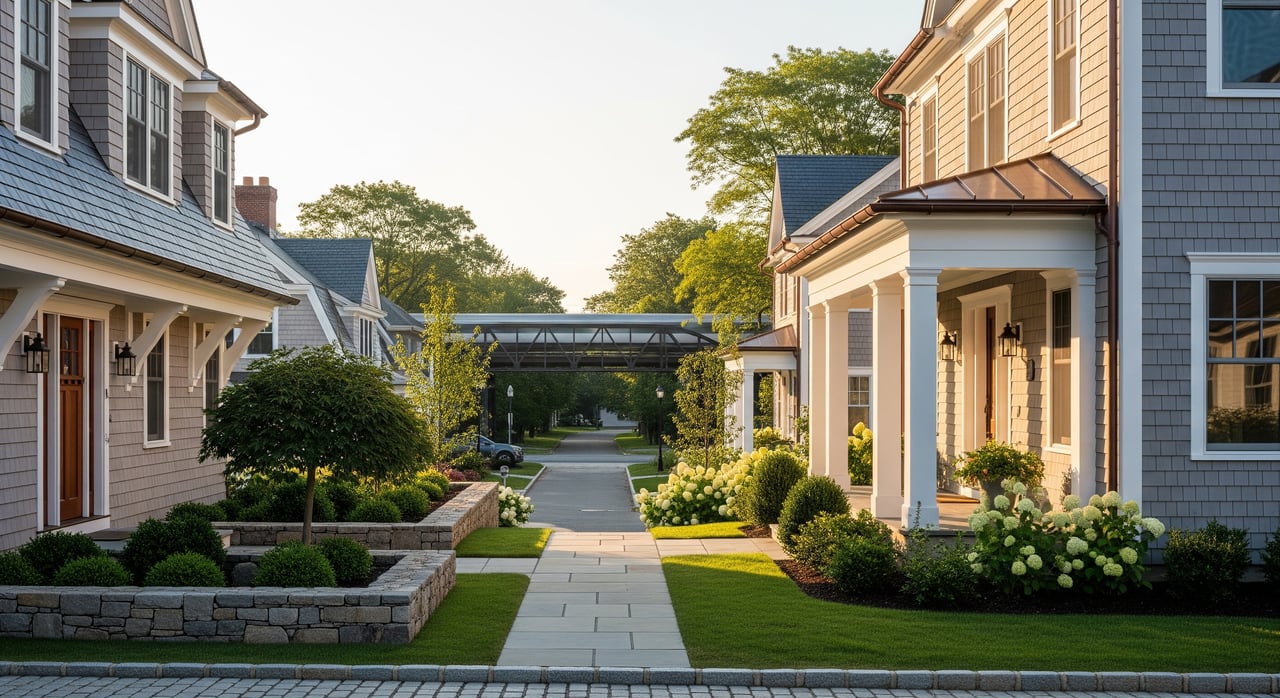
Best Nashua NH Neighborhoods for Daily Commuters
February 5, 2026
February 5, 2026
Is shaving 10 minutes off your daily drive worth choosing one street over another? If you are moving to Nashua and commuting to Boston, Cambridge, or Manchester, that question is front and center. You want a home that fits your routine without trading away comfort or access to daily needs. In this guide, you will learn how Nashua’s key neighborhoods stack up for commuters, what housing you will find in each, and how to test routes before you buy. Let’s dive in.
Start with your destination and timing. Most Nashua commuters head south toward the Boston area or north toward Manchester. Peak-hour patterns, weather, and local bottlenecks can swing your door-to-door time more than distance alone.
Focus on these factors:
Here is a practical way to think about Nashua’s main commuter areas:
If you want flexibility, downtown gives you multiple ways to reach the Turnpike and local connectors. You can pivot north or south based on traffic, which helps when incidents or weather complicate the main route. You also have short trips to groceries, coffee, and Mine Falls Park.
Housing is diverse. You will find historic single-family homes on side streets, converted mill apartments and condos, and smaller multi-family buildings. The lifestyle is more walkable and lively, with restaurants, local events, and riverfront recreation close by.
Commute tips: Test two or three different routes from a likely morning departure time. If you plan to pair driving with bus or rail, confirm nearby commuter parking and schedules before you commit. Downtown streets can get busy during peak times, so plan a few minutes for the local hop to the highway.
If your job is in Boston, Cambridge, or the northern suburbs of Massachusetts, this corridor is designed for you. Homes here are close to the main southbound route, with several retail centers and services clustered near major access points. That combination reduces the time from driveway to highway and makes daily errands simple.
You will see a mix of single-family homes, ranches, split-levels, and some townhomes or condos near retail nodes. The tradeoff is activity. These streets can feel busier, and homes very close to major commercial areas may experience more noise.
Commute tips: If you value quiet, consider streets slightly inland from the main corridor. You usually add only a couple of minutes to your morning but cut down on daily noise. If you leave before sunrise or return late, exit-adjacent pockets can deliver a very efficient routine.
Amherst Street is a key east–west connector, making it useful if your commute requires flexibility. From residential streets just off this corridor, you can head north or south after a short local drive. It is also a good fit if you prefer an established neighborhood feel but still want practical access to multiple routes.
Housing includes mid-century single-family homes, ranches, and a few newer pockets at the edges. You will find local commercial nodes along Amherst Street, with quieter residential streets one turn away.
Commute tips: Map your typical AM and PM departure times and test a northbound sample toward Manchester and a southbound sample toward Massachusetts. Learn the local pinch points near signals and retail driveways. A few turns can make the difference between a smooth start and a slow first mile.
If you split time between Nashua and Manchester, the north side often gives you the most predictable drive northbound. Quick access to the Everett Turnpike helps with weekday consistency, and you have the bonus of green space at Mine Falls Park for pre- or post-commute walks.
Homes include single-family properties on larger lots, with ranches and Colonials common. Some newer subdivisions sit a short drive from main connectors. The overall feel is more suburban and green compared with central or southern corridors.
Commute tips: Time your morning departure to miss the first big wave of northbound traffic, and keep a backup route ready for incident days. If your schedule varies, try two different outbound windows and compare.
Neighborhoods clustered near major retail hubs and ramps offer the fastest jump onto the highway. This can be a game changer if you have a strict clock-in time or irregular shifts. Fuel, coffee, and errands are seconds from home.
The tradeoff is environment. Expect more traffic, delivery trucks, and evening activity. Housing here often includes townhomes, condos, and smaller-lot single-family options mixed among commercial corridors.
Commute tips: Visit during weekday rush hours and at night. Listen for ambient noise and watch turning movements. If you want convenience but prefer less bustle, look a few streets back from the main corridors.
On the southern and western outskirts, you will find newer planned subdivisions with larger lots and two-car garages. Many areas sit near on-ramps that let you bypass denser city sections on your way to the Turnpike. That can make your first mile cleaner and more predictable.
These pockets suit buyers who want space, newer construction, and a calmer street scene. Daily services may be a slightly longer drive, but the highway hop can be straightforward if you choose the right pocket.
Commute tips: Drive your route at least three times in real conditions, including a snowy morning if possible during winter. Ask about rideshare or carpool habits among neighbors, and check how quickly local plows clear your subdivision and feeder roads.
Some commuters combine driving with regional bus or rail access. Park-and-ride lots and commuter bus stops are located in and around southern New Hampshire, and many Boston-bound riders use stations or lots just over the Massachusetts border. Availability and schedules change, so verify current locations, hours, and fees directly with the operator before relying on a lot.
If you want to test a park-and-ride routine, do a full trial on a weekday. Drive to the lot, park, check capacity, ride to your destination, and return at your typical PM time. This one dry run will tell you more than any schedule chart.
Winter in southern New Hampshire affects reliability. Snow and ice slow the first miles from your driveway to the main corridor and can add significant time to the overall trip. Plowing priorities often focus on major roads first, so residential streets may be slower to clear.
Plan a buffer during storms and consider a flexible schedule when possible. Keep an alternate route ready in case of incidents. Test your commute during shoulder seasons too, since construction can change timing during warmer months.
Each corridor offers a different mix of housing. Downtown and exit-adjacent areas deliver more condos and townhomes alongside older single-family homes. South and north corridors lean toward single-family properties, from mid-century ranches to newer Colonials and subdivisions. Fringe areas offer newer construction and larger lots.
Prices move with age, lot size, and proximity to high-demand corridors. Homes directly adjacent to busy retail and highway areas may offer value compared with quieter inland streets nearby. To understand current pricing and inventory, ask for a fresh MLS snapshot by neighborhood and property type. You will get a clearer budget picture and a sense of days on market.
Use this simple checklist:
There is no one-size-fits-all “best” neighborhood for commuters. If you aim for Boston or Cambridge most days, South Nashua and exit-adjacent pockets often shorten the morning jump. If you head to Manchester, North Nashua and Mine Falls–area streets give you a natural advantage. Downtown and Amherst Street offer flexibility with a walkable lifestyle, while suburban fringe subdivisions trade a little distance for newer homes and larger lots.
If you want help matching commute needs with housing options, a local broker can narrow your search to the right streets, not just the right neighborhood. That saves time and reduces surprises after closing.
Ready to compare real homes on real routes and build a plan that fits your schedule? Reach out to Pat Clancey Realty for a personalized search and commute test plan that reflects current traffic, inventory, and your daily routine.
Stay up to date on the latest real estate trends.
We pride ourselves in providing personalized solutions that bring our clients closer to their dream properties and enhance their long-term wealth.